

Fasting has long been recognized for its various health benefits, including weight loss, improved metabolism, and enhanced mental clarity. In recent years, intermittent fasting has gained popularity as a lifestyle choice not just for its weight loss benefits but also for its potential health-promoting effects. While much attention has focused on how fasting influences metabolic health, its impact on eye health remains relatively unexplored. This blog will delve into the scientific insights surrounding intermittent fasting, dieting, and their potential effects on vision and overall eye health.
Understanding Intermittent Fasting and Dieting
What is Intermittent Fasting?
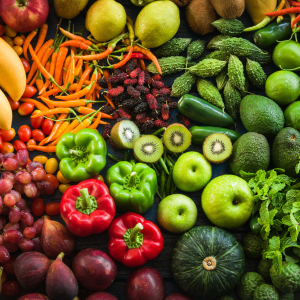
Intermittent fasting (IF) involves alternating cycles of eating and fasting. There are several popular methods, including:
- The 16/8 Method: This involves eating during an 8-hour window and fasting for the remaining 16 hours of the day.
- The 5:2 Diet: In this method, individuals eat normally for five days of the week and restrict their calorie intake to about 500-600 calories for two non-consecutive days.
- Alternate Day Fasting: This involves fasting every other day, either by completely abstaining from food or limiting calorie intake.
The Benefits of Intermittent Fasting
Research suggests that intermittent fasting can offer several health benefits, including:
- Weight Loss: Intermittent fasting may help individuals lose weight by reducing overall calorie intake and increasing metabolic rates.
- Improved Insulin Sensitivity: IF can enhance insulin sensitivity, helping the body utilize Glucose more effectively and reducing the risk of type 2 Diabetes.
- Cellular Repair Processes: Fasting triggers Autophagy, a process in which cells remove damaged components, potentially reducing the risk of various diseases.
Dieting and Eye Health
Dieting typically involves changes in food intake aimed at weight loss, health improvement, or other personal goals. While diets can vary widely, a balanced diet rich in nutrients is crucial for maintaining overall health, including eye health. Key nutrients that play a role in eye health include:
- Vitamins A, C, and E: These vitamins are antioxidants that protect the eyes from oxidative stress and may reduce the risk of age-related eye diseases.
- Omega-3 Fatty Acids: Found in fatty fish and flaxseeds, omega-3 fatty acids are essential for maintaining healthy retinal function.
- Lutein and Zeaxanthin: These carotenoids, found in green leafy vegetables, are known to protect the eyes from harmful light and may lower the risk of macular degeneration.
The Impact of Fasting on Eye Health: Scientific Insights
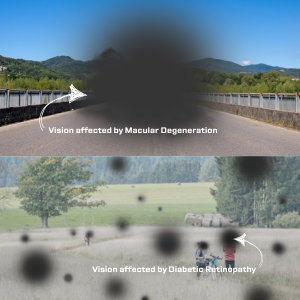
Fasting and Age-Related Macular Degeneration
A study published in the American Journal of Ophthalmology explored the relationship between intermittent fasting and Age-related Macular Degeneration (AMD), a leading cause of vision loss among older adults. The study involved approximately 4,504 participants aged 55 and older. Researchers found that those who practiced intermittent fasting reported a lower incidence of AMD compared to those who did not.
Key Findings:
- Intermittent fasting may help reduce oxidative stress, which is linked to the development of AMD.
- By improving metabolic health and reducing inflammation, fasting could potentially protect against retinal damage.
Fasting and Diabetic Retinopathy
Diabetic retinopathy is a common complication of Diabetes that can lead to vision loss. Some studies suggest that intermittent fasting may help improve insulin sensitivity, thereby reducing the risk of developing diabetic complications, including Retinopathy.
Potential Benefits:
- Improved glycemic control may protect against retinal damage.
- Reducing inflammation through fasting could play a role in preventing Diabetic Retinopathy.
Effects of Dieting on Eye Health
While fasting shows promise, it is essential to recognize that dieting can also impact eye health positively or negatively, depending on the choices made. add
Positive Dietary Choices:
– A diet rich in antioxidants can protect the eyes from oxidative damage.
– Consuming omega-3 fatty acids can support retinal health.
Negative Dietary Choices:
– Extreme calorie restriction may lead to nutrient deficiencies, negatively affecting eye health.
– Poor dietary choices, such as high sugar and unhealthy fats, can contribute to obesity and metabolic syndrome, increasing the risk of eye diseases.
Dieting vs. Fasting:
Dieting involves consistent changes to your eating habits, focusing on nutrient balance and long-term health, while fasting revolves around cycles of not eating for specific periods. Dieting is often recommended over fasting because it ensures a steady intake of essential nutrients necessary for maintaining overall health, including optimal eye function, while fasting may sometimes lead to nutrient deficiencies.
Balancing Fasting and Nutrition for Optimal Eye Health
The Importance of Nutritional Balance
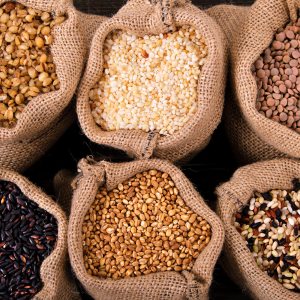
While fasting can offer health benefits, it is crucial to maintain nutritional balance. Individuals practicing intermittent fasting or dieting should ensure they are consuming a variety of nutrient-dense foods during their eating windows. Here are some tips for maintaining a balanced diet:
– Incorporate Colorful Fruits and Vegetables: Aim for a variety of colors on your plate to ensure you are getting a range of vitamins and antioxidants.
– Include Healthy Fats: Sources like avocados, nuts, and olive oil can provide essential fatty acids that support eye health.
– Choose Whole Grains: Whole grains are rich in fiber and nutrients, supporting overall health.
– Stay Hydrated: Proper hydration is essential for maintaining healthy eyes and overall well-being.
Potential Risks of Fasting Without Nutritional Awareness
Fasting without a focus on nutrition can lead to potential drawbacks, including:
– Nutrient Deficiencies: Extended periods of fasting or extreme dieting may result in insufficient intake of essential vitamins and minerals, which are crucial for eye health.
– Deterioration of Vision: Poor nutrition may contribute to the deterioration of vision over time, particularly if key nutrients are lacking.
Practical Steps to Combine Fasting and Eye Health
1. Consult a Healthcare Professional
Before starting any fasting regimen or significant dietary change, it is crucial to consult with a healthcare professional or registered dietitian. They can help tailor a plan that meets individual health needs while considering any pre-existing conditions.
2. Monitor Eye Health
Regular eye exams are essential for maintaining eye health, especially for individuals with existing conditions or those practicing intermittent fasting. Early detection of potential issues can lead to more effective treatment.
3. Make Informed Dietary Choices
When breaking a fast, focus on nutrient-dense foods that support eye health. Prioritize meals that include:
– Leafy Greens: Spinach, kale, and collard greens are rich in lutein and zeaxanthin.
– Fatty Fish: Salmon, mackerel, and sardines provide omega-3 fatty acids.
– Nuts and Seeds: Walnuts and flaxseeds are excellent sources of healthy fats.
– Colorful Fruits: Berries, oranges, and carrots offer essential vitamins and antioxidants.
4. Maintain a Healthy Lifestyle
In addition to fasting and dieting, adopting a holistic approach to health can further support eye health. This includes regular exercise, sufficient sleep, and stress management.
While intermittent fasting and dieting hold potential benefits for overall health, including eye health, it is essential to approach these practices with awareness and balance. The research suggesting a link between fasting and improved eye health is promising, but more studies are needed to understand the mechanisms involved fully.
To optimize eye health, individuals should focus on nutrient-rich foods during eating periods, ensure regular eye examinations, and maintain a healthy lifestyle. By combining fasting with informed dietary choices, we can take meaningful steps toward protecting our vision for years to come.
As the conversation around fasting continues to evolve, staying informed and connected with healthcare professionals is vital to ensuring that our practices support our health inside and out.